NỘI DUNG CHÍNH
ToggleIntroduction to Chemical Resistant Gloves
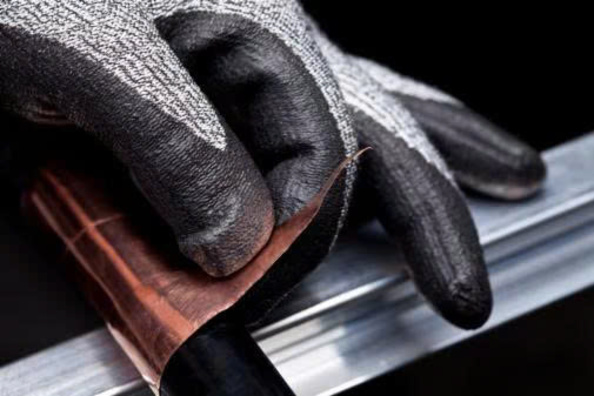
Chemical resistant gloves are essential personal protective equipment (PPE) used in many industries such as electronics, chemicals, food processing, and more. They are specifically designed to protect workers’ hands from hazardous chemical agents commonly found in working environments. These gloves are made from various materials such as rubber, nitrile, PVC, and others, each offering its own advantages and disadvantages depending on the specific application.
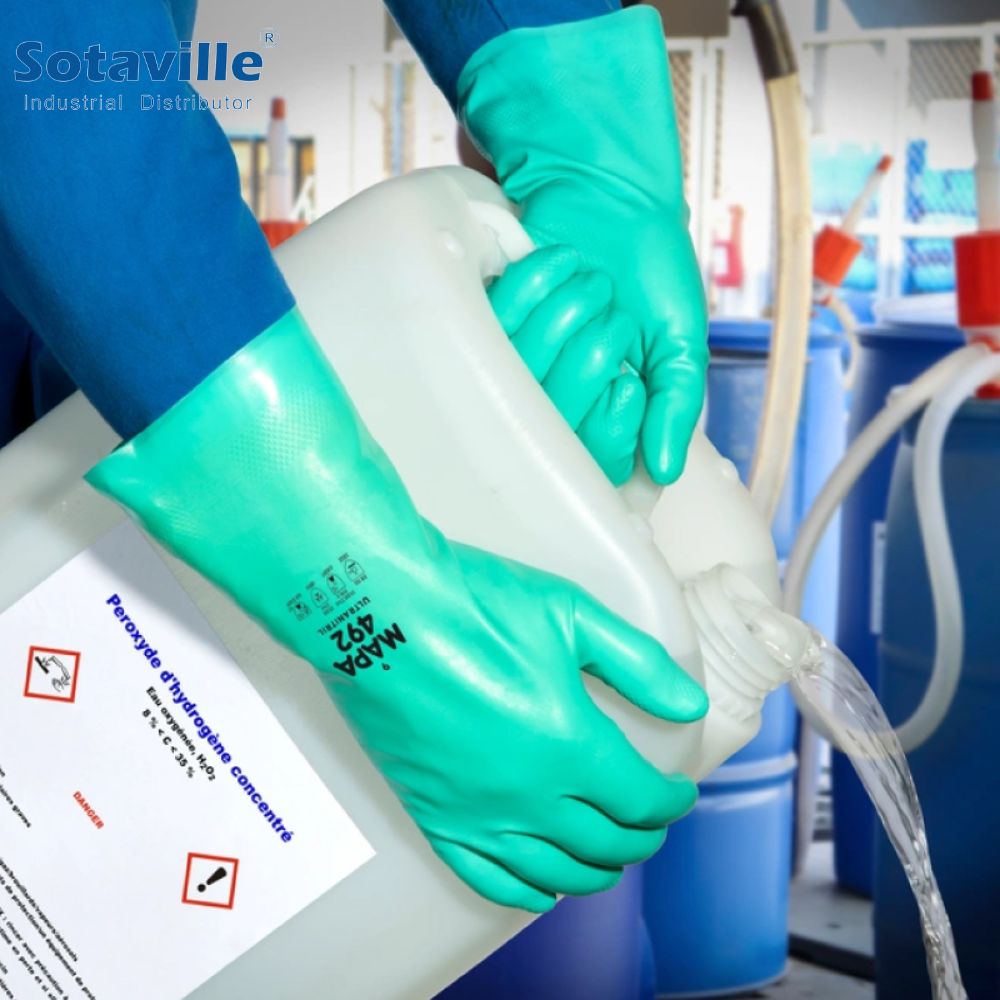
Chemical Resistant Gloves
Advantages of Chemical Resistant Gloves
Using chemical resistant gloves provides many outstanding benefits, including:
- Protection against hazardous chemicals:
The gloves are made from specialized materials that resist penetration and corrosion from chemicals commonly used in the electronics industry, such as acids, alkalis, solvents, oils, and grease. - Enhanced grip:
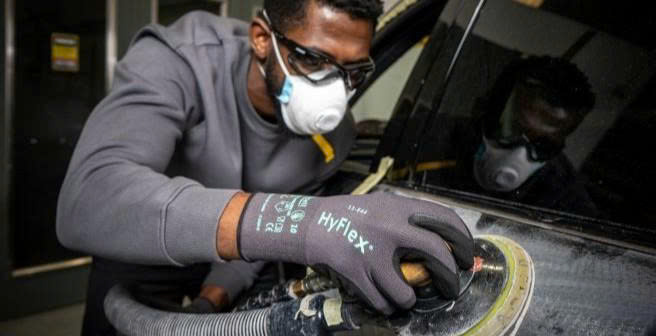
The glove surface is often textured or patterned to improve grip, ensuring safer and more precise handling of tools and equipment. - Anti-static properties:
Some gloves are designed with anti-static features to reduce the risk of fire or explosion caused by electrostatic discharge in the workplace. - Flexibility and comfort:
Rubber chemical resistant gloves are made from soft and elastic materials, allowing workers to handle small and complex components or devices easily while still protecting their hands. - High durability and reusability:
These gloves are specially designed for long-term use and can be reused multiple times, helping businesses reduce operational costs.
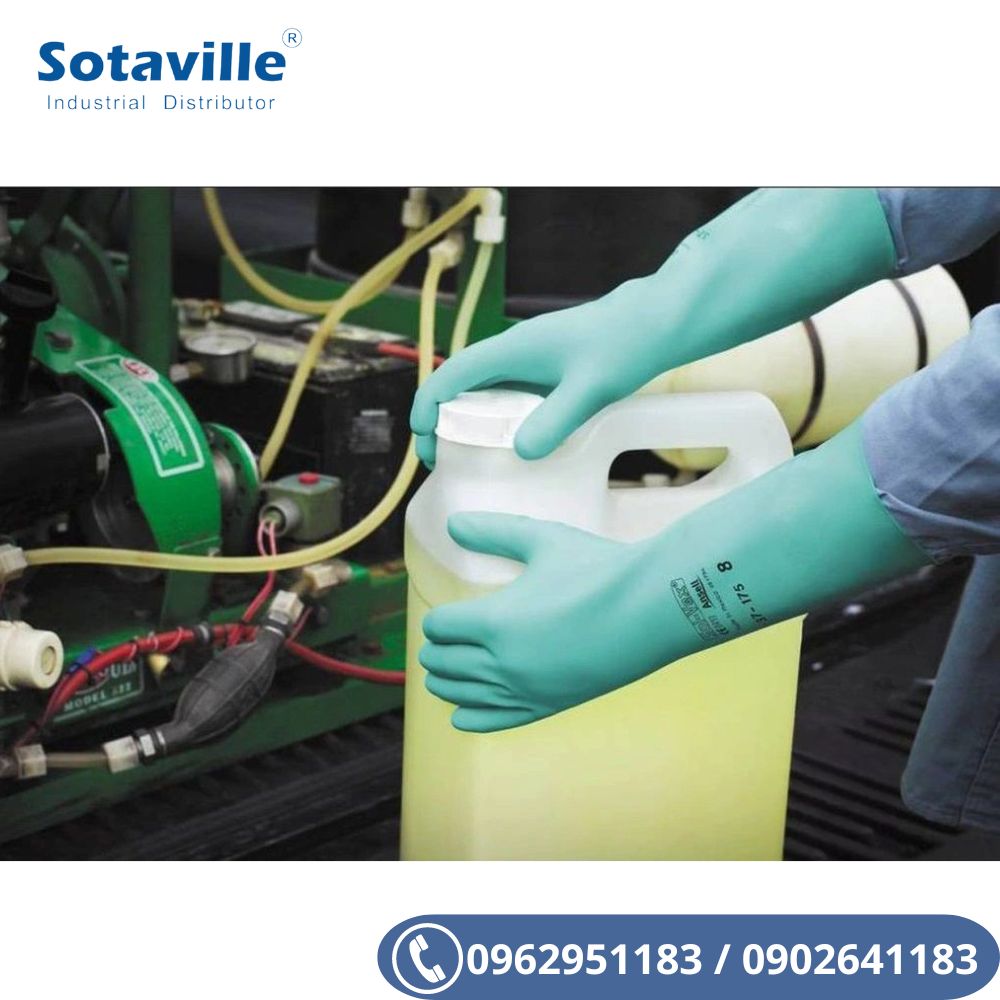
Advantages of Chemical Resistant Gloves
Specific Applications of Chemical Resistant Gloves in the Electronics Industry
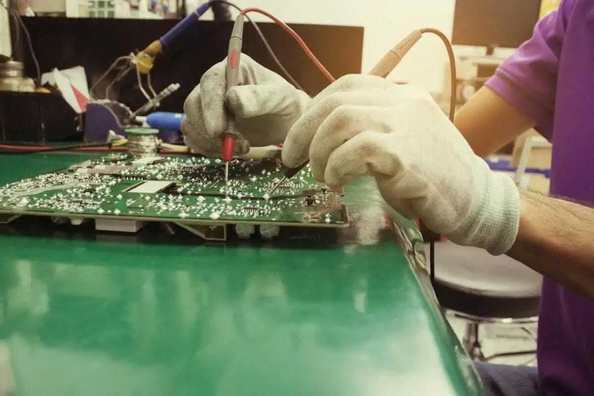
Chemical resistant gloves are widely used in various processes within the electronics industry, including:
- Electronic component assembly:
Protecting hands from chemicals used for cleaning, soldering, gluing, and coating components. - Electronic equipment cleaning:
Protecting hands from cleaning agents and solvents during machine and equipment maintenance. - Electronic equipment repair:
Providing protection against chemicals and dust during the disassembly and repair of electronic devices. - Research and development:
Protecting hands during laboratory testing and product development processes. - And many other applications.