News
WHAT ARE CUT-RESISTANT GLOVES? COMPREHENSIVE KNOWLEDGE AND OPTIMAL SAFETY SOLUTIONS
1. Definition of Cut-Resistant Gloves
Cut-resistant gloves are specialized industrial safety gloves designed and manufactured using advanced technologies. Their ultimate purpose is to protect the user’s hands from occupational hazards such as lacerations, punctures, or abrasions caused by sharp objects during work.
To achieve this exceptional durability, they are manufactured from high-performance raw materials with superior cut resistance. These include HPPE (High-Performance Polyethylene) fibers, Kevlar® fibers, pure stainless steel mesh, or composite multi-layer material blends designed to maximize the level of protection.
2. Cut Resistance Grading System According to International Standard EN 388
To accurately evaluate their protective performance, cut-resistant gloves must undergo a rigorous testing process in compliance with EN 388—the leading European standard for mechanical protective gloves. This standard evaluates performance against four primary mechanical hazards: abrasion, blade cut, tear, and puncture resistance.
The cut resistance rating scale is clearly defined as follows:
-
Levels 1 – 2: Low cut resistance. Ideal for light manual tasks with minimal exposure to sharp objects.
-
Levels 3 – 4: Medium cut resistance. Offers versatile application in woodworking, light engineering, component assembly, and packaging industries.
-
Level 5: High cut resistance (under the legacy test method). Engineered for jobs requiring direct handling of high-risk hazards such as sharp blades, thin metal sheets, and glass shards.
-
Levels A to F (According to the updated ISO 13997 standard): This method utilizes a sliding blade with varying loads to test cut resistance with higher accuracy. Among these, Level F represents the highest level of protection—delivering extreme cut resistance tailored for heavy industries and high-risk environments.
3. Common Classifications of Cut-Resistant Gloves on the Market
-
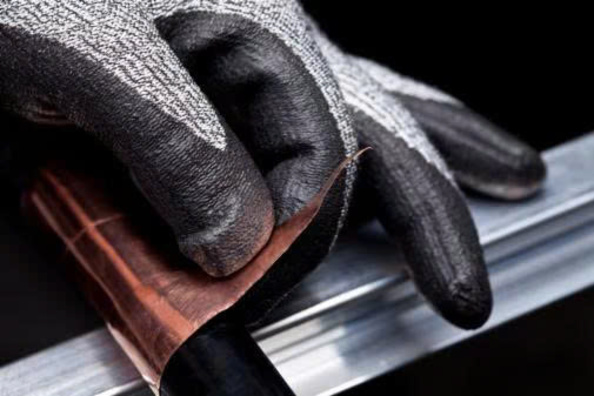
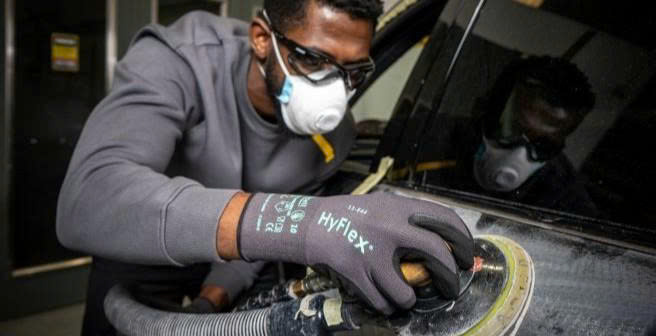
PU / Nitrile Coated Cut-Resistant Gloves: These feature a thin polyurethane (PU) or nitrile coating on the palm and fingertips, which optimizes grip and effectively prevents slippage when handling oily or greasy components. This product line is highly favored in precision engineering, machinery maintenance, and electronics assembly.
-
Stainless Steel Mesh Cut-Resistant Gloves: Constructed from a woven mesh of ultra-fine stainless steel wires, these gloves deliver maximum cut protection and exceptional puncture resistance. They serve as an indispensable safety tool in meat cutting, food processing, and glass handling.
-
Woven Kevlar® / HPPE Cut-Resistant Gloves: Highly regarded for being ultra-lightweight, perfectly stretchable, and highly breathable over extended periods of wear. Offering medium-to-high protection levels, they meet the demands of mechanical machining, woodworking, and assembly lines.
-
Heat and Cut-Resistant Gloves: A dual-purpose safety solution that shields hands from sharp edges while providing excellent thermal insulation. They are widely used in welding workshops, metallurgy plants, and hazardous high-temperature environments.
4. Practical Applications of Cut-Resistant Gloves
-
In the Food Processing Industry: Using meat cleavers, slicers, or processing seafood always poses a high risk of injury. Specialized stainless steel mesh or HPPE gloves not only provide full hand protection but also comply with strict food safety standards, thanks to their non-toxic and easy-to-clean materials.
-
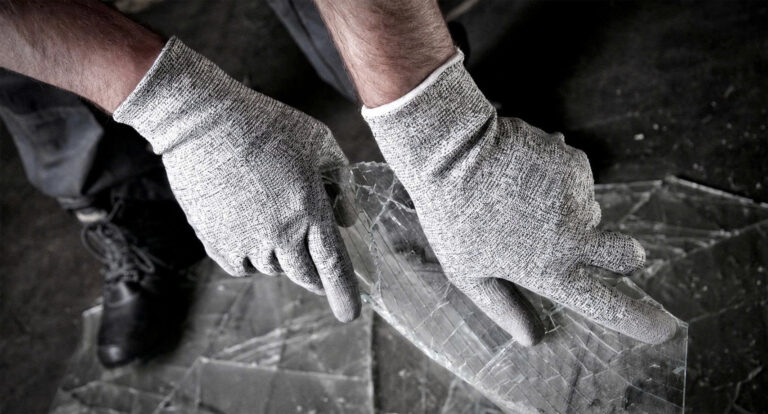
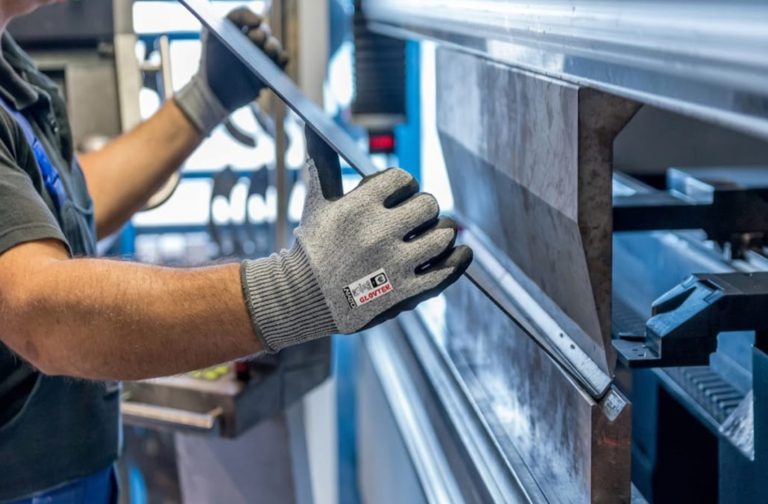
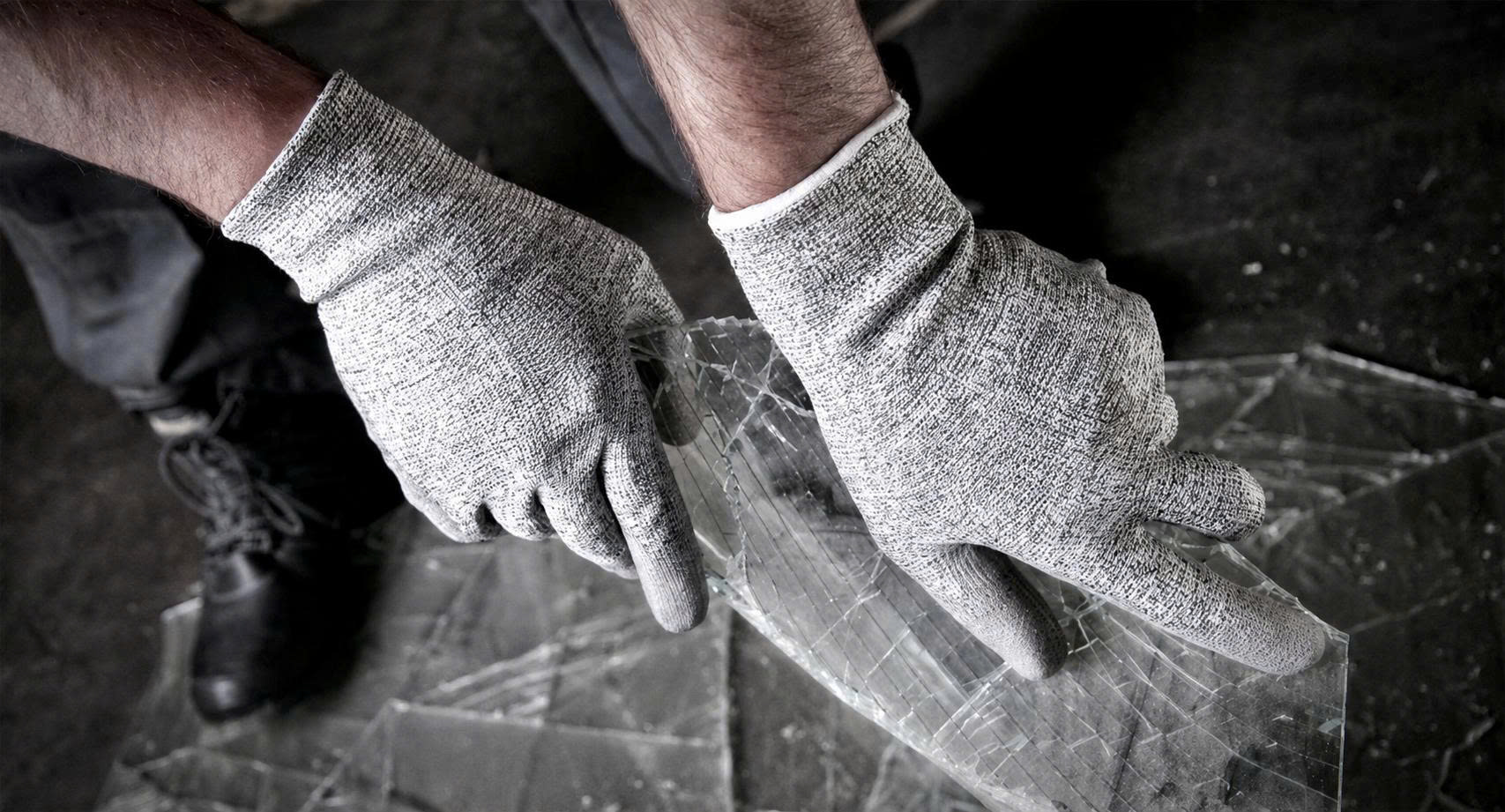
In Glass Handling and Metal Fabrication: Sharp edges of thin sheet metal or glass shards carry a severe risk of deep lacerations. Equipping workers with high-strength cut-resistant gloves completely prevents severe injuries, making them mandatory personal protective equipment (PPE) in glass factories and metal fabrication shops.
-
In Mechanical Engineering and Machine Maintenance: Technicians frequently operate in tight spaces surrounded by sharp components and moving gears. These gloves ensure reliable safety while maintaining the high dexterity required for precise technical maneuvers.
-
In the Woodworking Industry: Due to continuous exposure to power saws, woodturning chisels, and rough timber surfaces, carpenters must wear cut-resistant gloves to minimize the risk of severe hand injuries while operating machinery.
-
In Logistics, Warehousing, and Packaging: Tasks involving unboxing cartons, cutting plastic strapping bands, and handling crating materials occur continuously. Cut-resistant gloves accelerate workflow by ensuring a secure grip and optimal scratch protection.
Conclusion
Cut-resistant gloves are not just a piece of safety gear; they are a core solution that enhances operational efficiency and minimizes the risk of severe workplace accidents. Always evaluate the specific hazards of your work environment to choose the product with the most appropriate protection level.
WHERE TO BUY AUTHENTIC CUT-RESISTANT GLOVES: SOTAVILLE
If you are looking for a reliable hand protection solution for yourself or your company’s entire workforce, Sotaville is your ultimate destination. At Sotaville, we commit to providing premium cut-resistant glove lines that meet the most rigorous international testing standards:
-
✅ PU/Nitrile Coated Gloves: Highly flexible, enhanced grip, and excellent oil resistance.
-
✅ Level 5 / Level F Gloves: Maximum protection against ultra-sharp hazards.
-
✅ Stainless Steel Mesh Gloves: Specialized for meat cutting and sanitary food processing.
-
✅ Heat-Resistant Kevlar®/HPPE Gloves: A dual-performance solution offering both cut and thermal protection.
Do not let the risk of workplace injuries disrupt your operations! Protect your hands safely today. Visit Sotaville now to explore our latest collection of authentic cut-resistant gloves, or contact us directly to receive expert consultation and the best wholesale quotes for your business!