News
Signs You Need to Replace Your Protective Gloves Immediately to Prevent Workplace Accidents
In industrial safety management, protective gloves are considered the “last line of defense” between a worker’s hands and potential hazards. However, many businesses—in an attempt to optimize costs—unintentionally overlook the “golden window” for equipment replacement. This oversight often leads to regrettable workplace accidents and compensation costs that far exceed the price of a new pair of gloves.
How can you tell if your gloves have reached their end-of-life or are no longer safety-compliant? Let’s join the experts at Sotaville in reviewing these 5 critical red flags.
Degradation of the Palm Coating (Coating Wear)
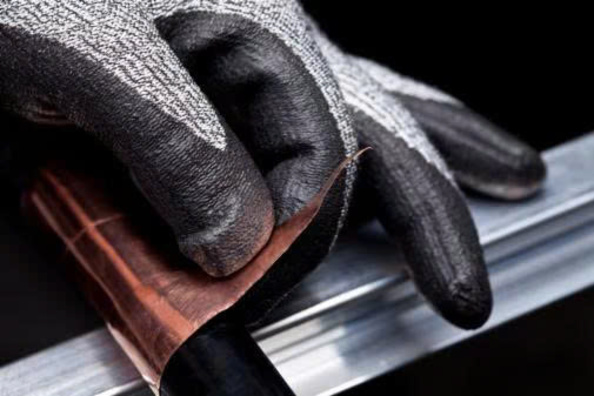
This is the most visible sign in gloves coated with Nitrile, Latex, or PU. When the coating becomes worn, peeled, or develops a smooth, “glassy” texture, the glove loses its Grip.
-
The Risk: In mechanical environments involving oil or lubricants, a loss of grip causes tools to slip. This leads to crush injuries or direct lacerations due to loss of tool control.
-
Advice: If you can see the inner fabric liner showing through the coating, it is time for an immediate replacement.
Structural Fiber Damage
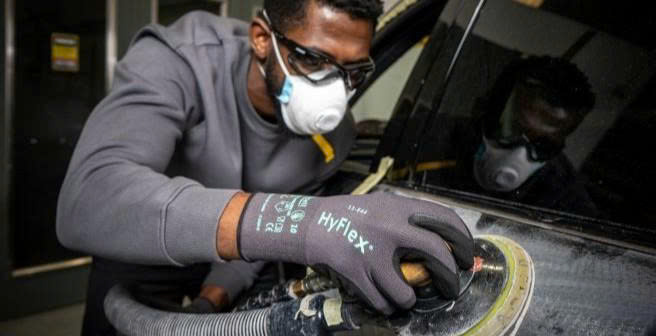
High-end cut-resistant gloves (such as Ansell HyFlex or 3M) are typically knitted from HPPE or Kevlar® fibers. Look for signs of stretching, fraying, or small punctures.
-
The Risk: The protective architecture has been compromised. A Level 5 cut-resistant glove with even a small tear no longer meets EN 388 standards, leaving the worker’s hand directly exposed to sharp blades.
-
Advice: Closely inspect the finger crotches and palms—the areas that endure the highest stress during manual tasks.
Changes in Physical Properties (Hardening or Softening)
Frequent exposure to chemicals, cutting fluids, or high temperatures can alter the polymer structure of the glove.
-
The Signs: The gloves become stiff and brittle, or conversely, they become tacky and “mushy” (a sign of chemical degradation).
-
The Risk: Hardened gloves reduce dexterity, causing hand fatigue and imprecise movements. Softened or “melted” gloves indicate that chemicals have permeated the barrier, posing a risk of skin irritation or chemical burns.
Loss of Fit
After multiple wash cycles or high-intensity use, the cuff or the body of the glove may stretch out, losing its snug fit.
-
The Risk: Loose gloves are extremely dangerous near rotating machinery (such as lathes or drills). Excess material can easily get caught in moving parts, leading to severe entanglement accidents.
-
Advice: A safe glove must act like a “second skin,” ensuring both flexibility and a secure fit.
Persistent Odors and Internal Mold
Extended labor leads to sweat accumulation within the liner. If not cleaned properly or if used past their lifespan, gloves become a breeding ground for bacteria.
-
The Risk: This causes contact dermatitis or fungal infections, affecting the worker’s health and morale. When hand health is compromised, productivity inevitably drops.
The Sotaville Perspective: Investment vs. Cost
At Sotaville, we advise our clients to view the replacement of Personal Protective Equipment (PPE) as an investment rather than an expense:
Preventing Production Downtime: A single workplace accident can halt an entire production line and trigger a personnel crisis.
Building Corporate Reputation: Providing new, clean, and safe gloves fosters employee trust, engagement, and higher output.
Hidden Costs: Using expired gloves increases the rate of defective products due to imprecise handling.