News
What is EN 388:2016 Standard? A Guide to Choosing the Best Cut-Resistant Gloves for Your Business
In the occupational safety and industrial solutions sector in Vietnam, equipping your workforce with standard-compliant cut-resistant gloves is more than just regulatory adherence—it is a core strategy to protect human capital and optimize operational costs. However, amidst a “maze” of products on the market, how can a safety officer or procurement manager select the right equipment? The answer lies in understanding the EN 388:2016 standard—the most critical benchmark for mechanical protection today.
Understanding EN 388:2016 in the Modern Industrial Context
EN 388 is a European standard that specifies the technical requirements and testing methods for protective gloves against mechanical risks. Since the 2016 update, this standard has become more rigorous and precise than ever before.
Moving beyond traditional testing, EN 388:2016 introduces advanced testing methods like TDM-100 to accurately evaluate high-performance materials such as HPPE fibers, glass fibers, or stainless steel—all of which are distributed by Sotaville from world-leading brands like Ansell, 3M, and Honeywell.
Decoding the 6 Power Indicators Under the “Shield” Icon
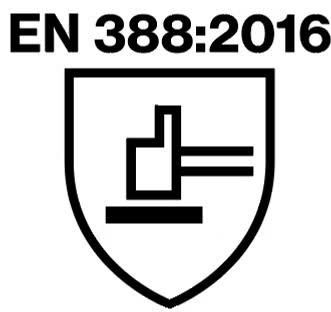
When holding a pair of genuine protective gloves, you will notice a shield icon followed by a series of numbers and letters. This is the “ID card” of the product’s protective capability:
-
Indicator 1 (Abrasion Resistance): Measured by the number of cycles required to abrade through the glove material. The higher the level (up to Level 4), the more durable the glove is in rough handling environments.
-
Indicator 2 (Coup Test Cut Resistance): The traditional method based on the number of rotations of a circular blade.
-
Indicator 5 (TDM-100 Cut Resistance – ISO 13997): This is the most significant update of the 2016 version, represented by letters A to F. While abrasion, tear (Indicator 3), and puncture resistance (Indicator 4) protect against static sharp objects, the TDM-100 Newton force scale is the most accurate metric for protecting workers against direct cutting risks in precision engineering or glass manufacturing.
-
Indicator 6 (Impact Protection): Marked with a “P” if the glove passes impact testing. This is essential for heavy industries like oil and gas or construction.
From Technical Standards to Cost Optimization at Sotaville
Mastering the EN 388:2016 specifications provides a dual benefit for businesses. Instead of buying the “most expensive” glove, Sotaville experts help you choose the “most suitable” one. A glove meeting Cut Level C might require a higher initial investment than basic gloves, but with superior abrasion and tear resistance, its lifespan can be 3-4 times longer. This directly reduces the quarterly safety budget for your company.
Furthermore, transparency in technical specifications proves the supplier’s credibility. At Sotaville, we don’t just sell products; we provide peace of mind. Every cut-resistant glove line from our strategic partners—Ansell, 3M, or Honeywell—comes with full CO/CQ certification and rigorous EN 388:2016 test results, ensuring every glove delivered to your workers is a reliable shield.
Connect with Sotaville Safety Experts
Choosing the right protective gloves means protecting your business’s most valuable asset: your people. If you are still uncertain about technical symbols or need a roadmap to optimize safety equipment for your factory this quarter, our team of Marketing and Technical experts is ready to assist.
Let Sotaville help you transform safety standards into a sustainable competitive advantage. For specialized consultation and wholesale pricing for dealer systems or industrial projects, please contact us directly:
SOTAVILLE JOINT STOCK COMPANY
-
Hotline: 0889 588 080
-
Support Email: info@sotaville.com
-
Website: glovtek.vn